A Love of Travel.
A World of Menus.
How a simple frustration at restaurant tables across three continents became DishPassport — the app for every traveler who has ever stared at a menu they couldn't read.
It All Started in Sarasota, Florida
Barry and Jozi Wells live in Sarasota, Florida — a sun-drenched Gulf Coast city where the beaches are white, the sunsets are legendary, and the food scene is a melting pot of cultures. It was from this home base that their love of travel and authentic cuisine would take them around the world — and eventually inspire DishPassport.
Sarasota sits on the edge of the Gulf of Mexico, a city that punches above its weight in art, dining, and beauty. From their home here, they have packed their bags and set off to taste the world, returning each time with new stories, new flavors, and new frustrations at menus they couldn't read.
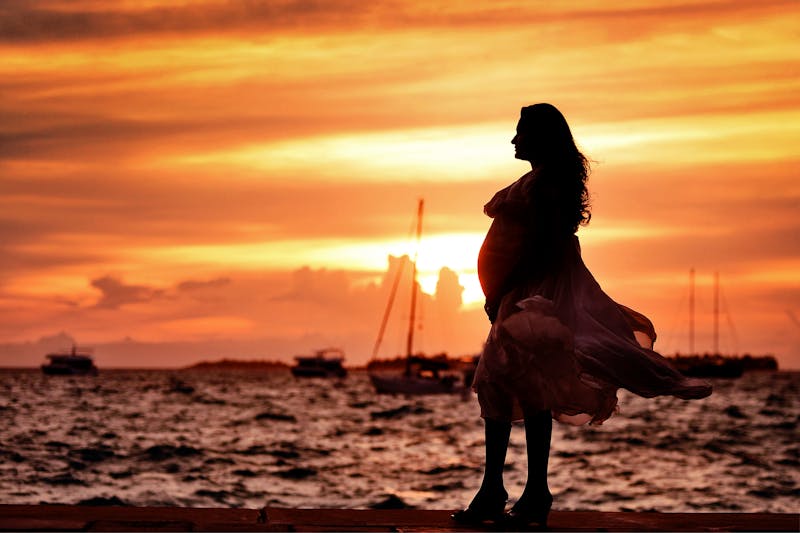
Every great journey has a starting point. Theirs is this sun-soaked stretch of Florida coastline — where the water is the color of sea glass and the evening sky turns every shade of orange and pink before the stars come out.



A Proposal on the Beach


Before their travels as a married couple, there was the Maldives. It was there, surrounded by turquoise water and white sand beaches stretching endlessly into the Indian Ocean, that Barry asked Jozi to marry him. But Barry is a man who does things the right way. Before he got down on one knee, he traveled to Bulgaria to ask permission from Jozi's father, her mother, and her daughter. Three conversations. Three blessings.
Only then, standing on a Maldivian beach at sunset with the waves lapping at their feet, did he ask the woman he loved to spend the rest of her life with him.
She said yes.
They celebrated that night over a candlelit dinner on the beach — fresh-caught reef fish grilled over coconut husks, tropical fruit carved into flowers, and a menu written in Dhivehi that neither of them could read. It didn't matter. Everything tasted like the beginning of forever.
Coming Home to Bulgaria
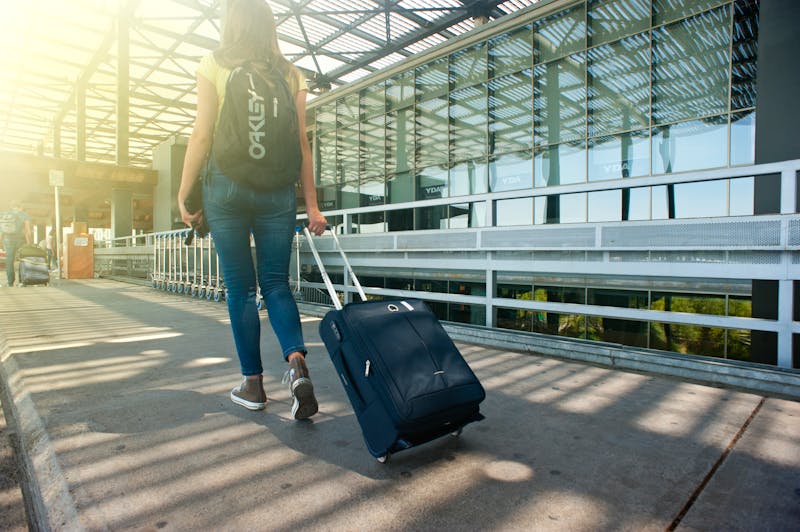
Barry and Jozi make annual trips to Bulgaria to visit Jozi's family — especially her mother. Each year they spend ten days reconnecting with her relatives before setting off on the adventure portion of the trip somewhere entirely new.
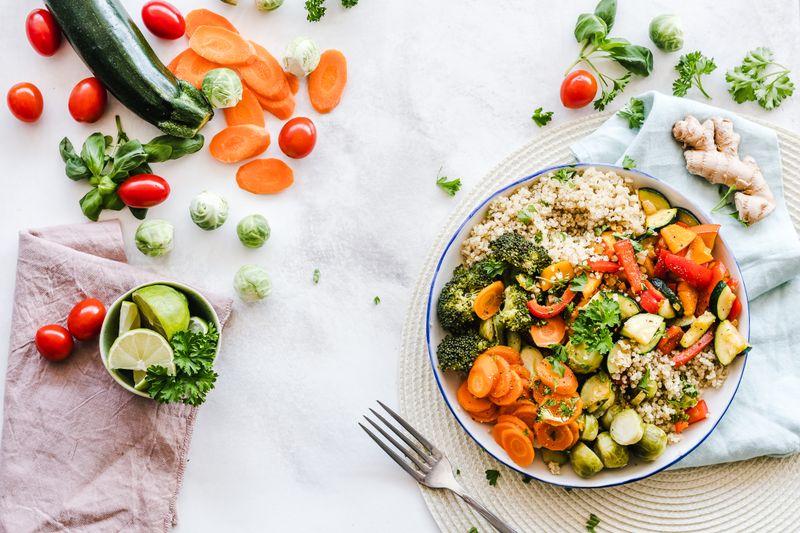
Bulgaria itself was the first classroom. Eating out in local Bulgarian restaurants meant confronting menus written entirely in Cyrillic script. The couple quickly learned that the best food was never in the tourist sections — it was in the small, family-run restaurants tucked away in neighborhoods where locals gathered after work, where grandmothers still made the recipes their grandmothers had taught them.
To get to that food, you had to be willing to sit down with a menu you couldn't read and trust the kitchen completely. It was both the most frustrating and the most rewarding experience of every trip.
"The best food was never where the tourists were."

A Wedding on the Sand
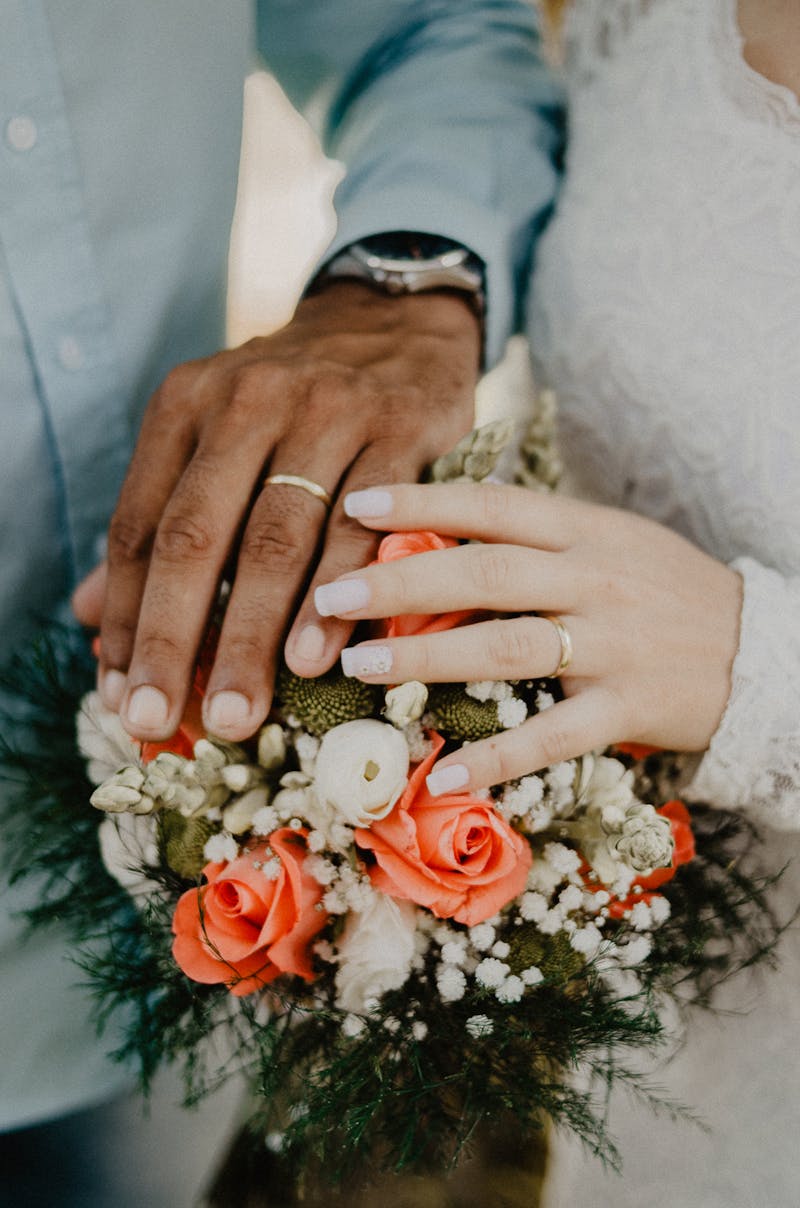
The wedding was planned for the beaches of St. Pete, Florida. But life, as it so often does, had other plans. Jozi's father passed away from Covid just a few months before the wedding. The man who had given his blessing with tears in his eyes would never walk his daughter down the aisle.
On their wedding day, two of Barry's closest friends stepped in to walk Jozi down the aisle. Each of them wore a custom button pinned to their jacket — a photo of Jozi's father, his face smiling out from the lapel, so that he would be with her on her special day. It was a small gesture that carried the weight of the world.
It was not the walk she had imagined. It was different. It was beautiful in a way that only real life can be — imperfect, emotional, and deeply human. Her father was there — in the blessing he had given from Bulgaria, in the photo pinned over the hearts of the men who walked in his place, and in the love that surrounded every moment of that day.
From that beach in St. Pete, the adventures began.



Honeymoon in Dubai
Their honeymoon took them to the dazzling excess of Dubai — from street shawarma stands in Deira's gold-lit alleyways to rooftop restaurants sixty floors above the city where the Burj Khalifa glowed against the night sky.
Every meal was an adventure, every menu a puzzle of Arabic script that somehow always led to something extraordinary. It was here, fumbling through a dinner menu at a hidden Emirati restaurant in Al Fahidi, that Barry first said the words that would become DishPassport's origin story:
"There has to be an app for this."
"There has to be an app for this."
— Barry, Dubai, on their honeymoon
When in Rome
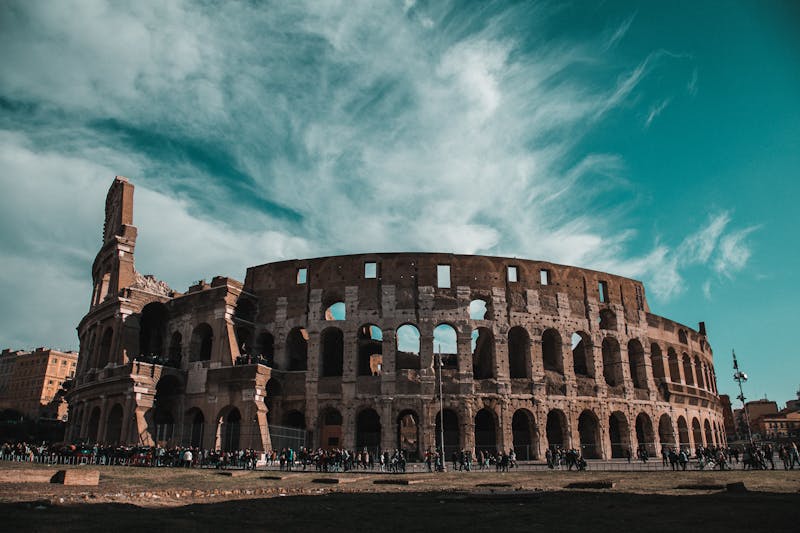
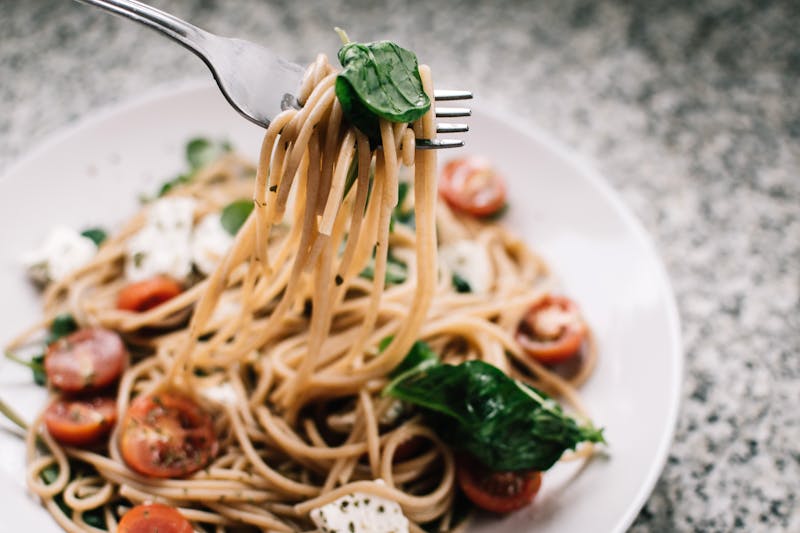
Rome delivered everything they dreamed of — handmade pasta in trattorias tucked behind the Colosseum, thin-crust pizza al taglio eaten standing at marble counters, and gelato so good they went back to the same shop three days in a row.
The menus were in Italian, naturally, and the waiters spoke just enough English to smile and say "è buono, è buono" about everything. They learned that "cacio e pepe" was not the same as "carbonara" the hard way — and loved both.


Under the Spell of Istanbul
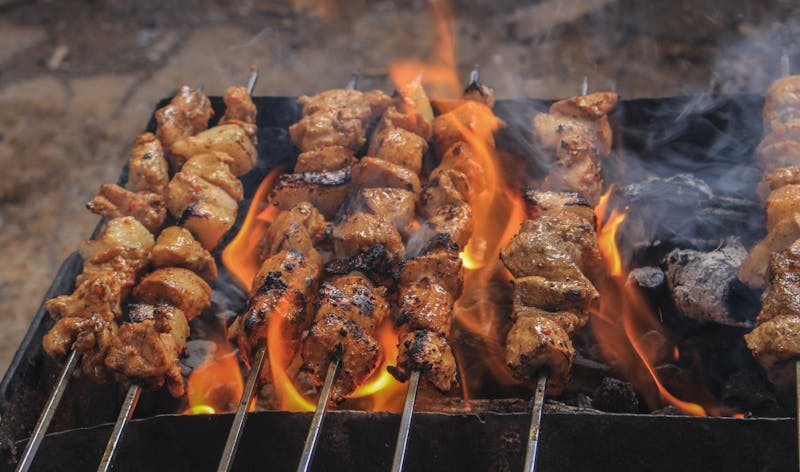
In Turkey, they fell under the spell of Istanbul's ancient food culture — kebabs sizzling on charcoal grills along the Bosphorus, freshly baked simit sold from red carts on every corner, and rich Turkish breakfasts spread across tables like edible mosaics.
They shared meze plates in hidden rooftop restaurants where the call to prayer echoed over the Golden Horn at sunset. Every meal felt ancient and alive at the same time — flavors unchanged for centuries, eaten in a city that sits at the exact crossroads of two worlds.

Lemons the Size of Softballs
The Italian coast stole their hearts. Capri rose from the Mediterranean like a jewel — they took the boat from Naples, climbed to the piazzetta, and ate the simplest, most perfect plate of pasta al limone overlooking the Faraglioni sea stacks.
The lemons on Capri are the size of softballs, and the limoncello tasted like liquid sunshine. Every restaurant menu was handwritten in Italian, and every dish was a masterpiece they wished they could name and recreate at home.
Beyond Fish and Chips
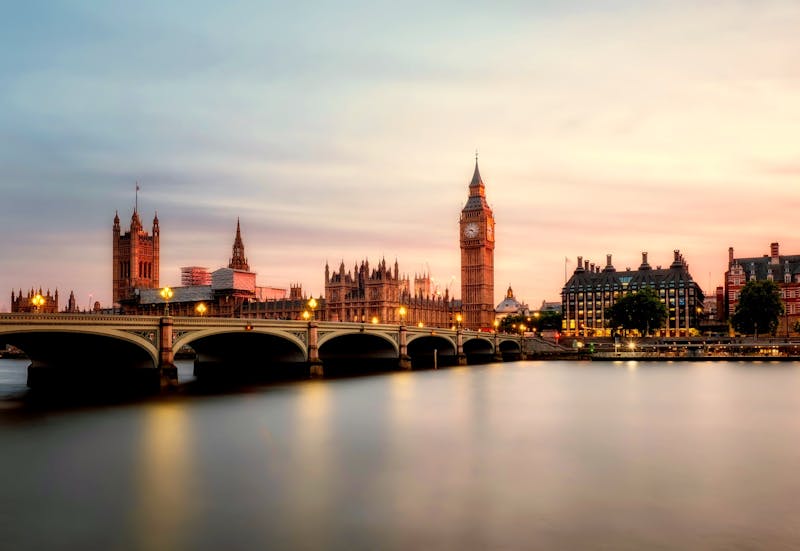
They explored England beyond fish and chips — discovering London's thriving curry houses on Brick Lane, the perfect Sunday roast at a countryside pub, afternoon tea with finger sandwiches they couldn't name, and Borough Market where every stall was a different country's kitchen.
The menus in London's diverse food scene ranged from Bengali to Ethiopian to Peruvian — proving that you don't need to leave England to eat your way around the world.
Sunsets and Souvlaki
Greece became its own chapter. In Athens, they navigated the winding streets of the Plaka neighborhood searching for the perfect moussaka, eating souvlaki from paper-wrapped cones while staring up at the Acropolis.
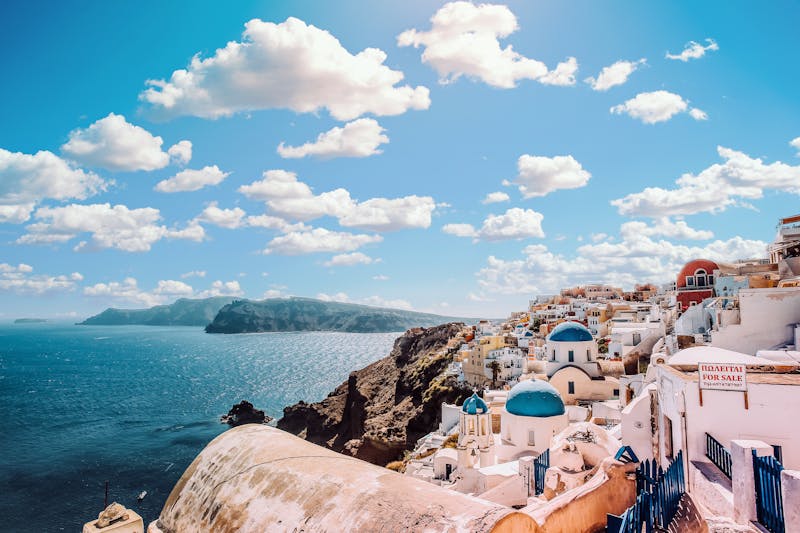
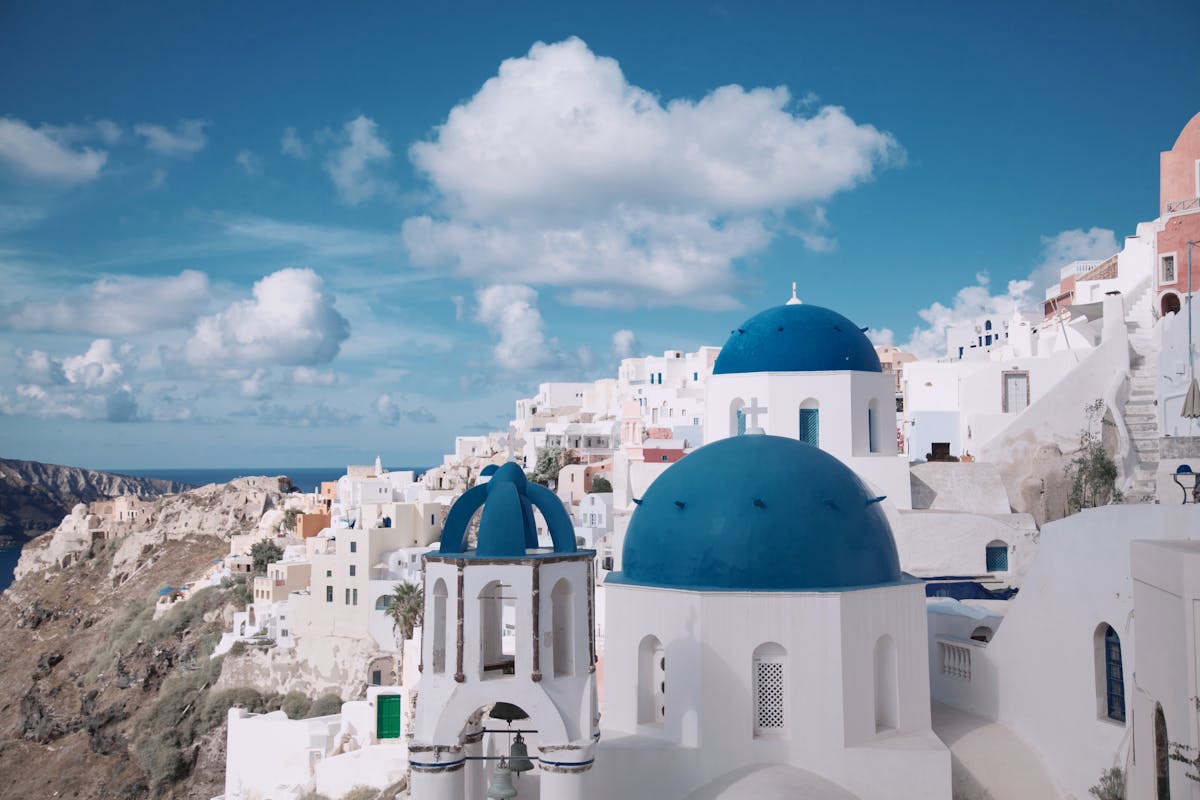
Then came Santorini — perched on volcanic cliffs above the Aegean, they dined on grilled octopus and fava with the most spectacular sunset on earth painting the sky behind them. Every taverna menu was a puzzle of Greek script that somehow always ended with the best meal they had ever had.

Street Food Paradise
Thailand became a favorite. The couple spent days wandering Bangkok's street food markets, pointing at sizzling woks and hoping the vendor understood their enthusiastic nods.
In Chiang Mai, they sat cross-legged on bamboo mats eating khao soi — a northern Thai curry noodle soup — without knowing what it was called until they got home and searched for it online. The food was extraordinary. The ordering process was charades.
Tapas, Paella, and the Art of Eating Slowly
Spain taught them that eating is not a task — it is a ritual. In Barcelona, they hopped from tapas bar to tapas bar along La Rambla, sharing patatas bravas, jamón ibérico, and gambas al ajillo.
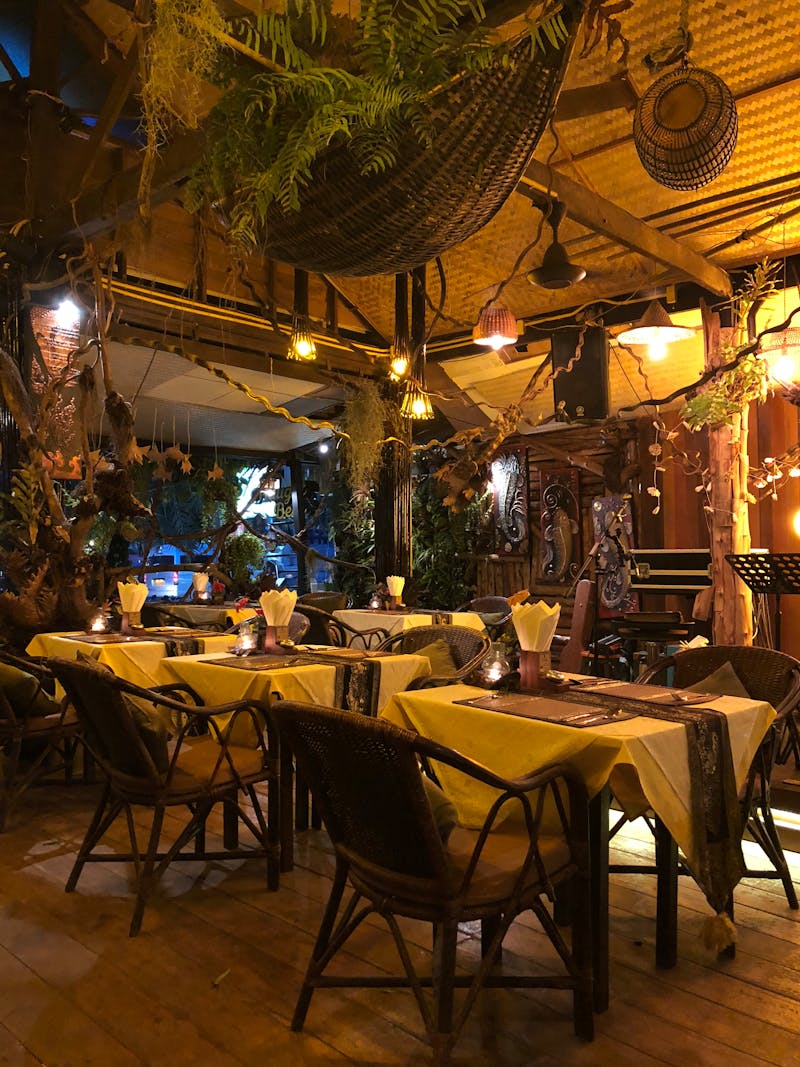
In Valencia, they tasted the only paella that Valencians consider authentic — cooked over an open wood fire with rabbit, snails, and rosemary. In Seville, they wandered into a flamenco bar where the menu was chalked on a blackboard in handwriting so beautiful it looked like calligraphy — and completely illegible to two Americans.

Churrasco and Caipirinha Sunsets
Brazil hit them with flavor from the moment they landed. In Rio, they stood at the counter of a juice bar ordering açaí bowls by pointing at what looked best. In São Paulo, they discovered the overwhelming spectacle of a churrascaria — waiters carrying skewers of every cut of meat imaginable, carving tableside, while Barry tried to remember which color card meant "keep going" and which meant "stop."
The feijoada — Brazil's national dish of black bean stew with pork — became an instant favorite they still try to recreate at home. And the caipirinhas on Copacabana Beach at sunset? That was the moment Jozi turned to Barry and said, "This is why we travel."

The same scene, played out in a hundred different restaurants.
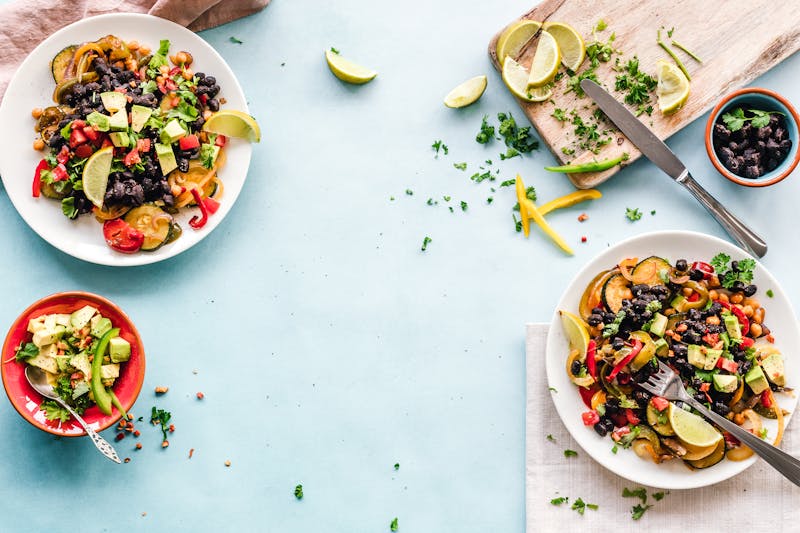
The pattern was always the same. Barry and Jozi would walk into a restaurant, sit down, and open the menu. Sometimes it was handwritten on a chalkboard in a language they didn't speak. Sometimes it was a laminated sheet with no descriptions, just names and prices. Sometimes there were photos — but those photos never quite matched what actually arrived at the table.
They would turn to each other with the same look: 'What do you think this is?'
Barry would try to Google individual words. Jozi would attempt to ask the server. Sometimes they would point at what someone at the next table was eating. Occasionally, they would just close their eyes and pick something, turning dinner into a surprise lottery.
Most of the time, the food was incredible — that is the beauty of eating where locals eat. But the experience of ordering was always stressful. And the best dishes, the ones they wanted to recreate at home, were often lost because they could never remember the name.
"There has to be an app for this."
— Barry, in a small taverna in Bulgaria
There wasn't. Not really. Not one that could scan an entire menu, show you photos of the dishes, pronounce the names, flag allergens, convert the prices, and give you a recipe to take home.
So Barry decided to build one.
From Idea to App
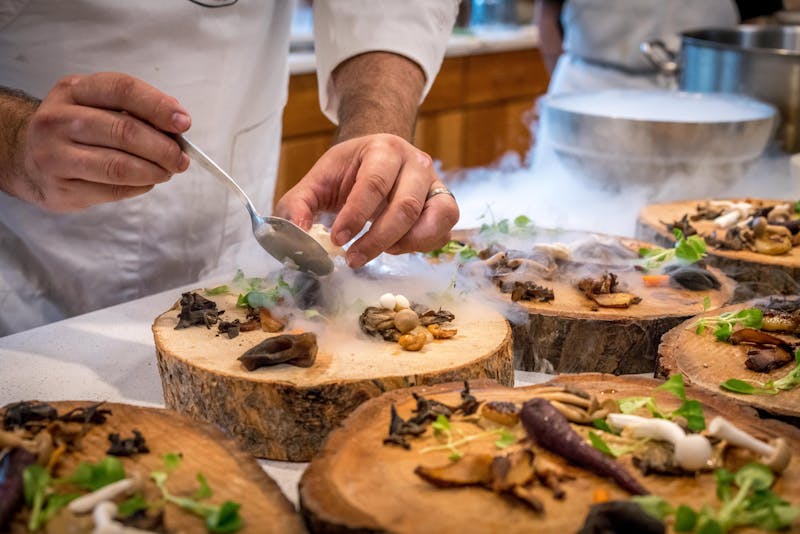
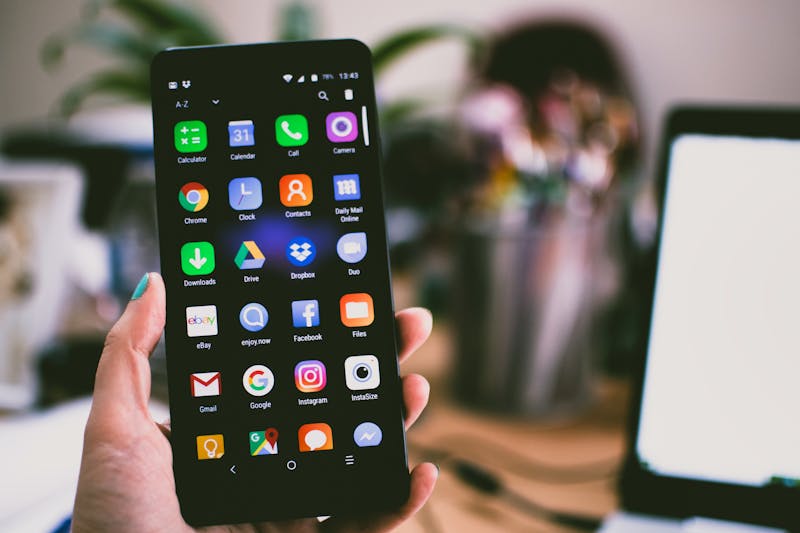
What started as a personal project — an app Barry and Jozi could use on their next trip — grew into something bigger. The explosion of AI technology made the impossible suddenly possible. Computer vision could read any menu in any language. Large language models could translate, describe, and explain dishes with cultural context. Text-to-speech could teach you how to pronounce "Неврозна разядка" before you embarrassed yourself in front of the waiter.
Barry brought twenty-five years of marketing experience to the project. He knew that the app had to be beautiful, intuitive, and fast — because when you are sitting at a restaurant with a server waiting, you need answers in seconds, not minutes. He knew it had to work offline, because some of the best restaurants in the world are in places where WiFi is a luxury. And he knew it had to feel personal, because food is personal.
DishPassport was born from a simple belief: the best meals happen when you step outside the tourist bubble and eat where the locals eat. The app is the bridge between curiosity and confidence — the tool that turns a confusing menu into an adventure.
Barry and Jozi still travel to Bulgaria every year. They still seek out the small restaurants where the menus are handwritten and the portions are enormous. But now, when they sit down and open a menu they cannot read, they smile instead of stress. They scan it with DishPassport.

Built for Us. Made for Everyone.
DishPassport was built for Barry and Jozi. But it is for every traveler who has ever sat at a foreign table and wished they could just understand what was on the menu. It is for the solo backpacker in Vietnam, the family on holiday in Greece, the business traveler in Tokyo, and the honeymooners in Italy.
It is for everyone who believes that this is a beautiful world — you just have to go out there and see it. And taste it.

Meet the Founders
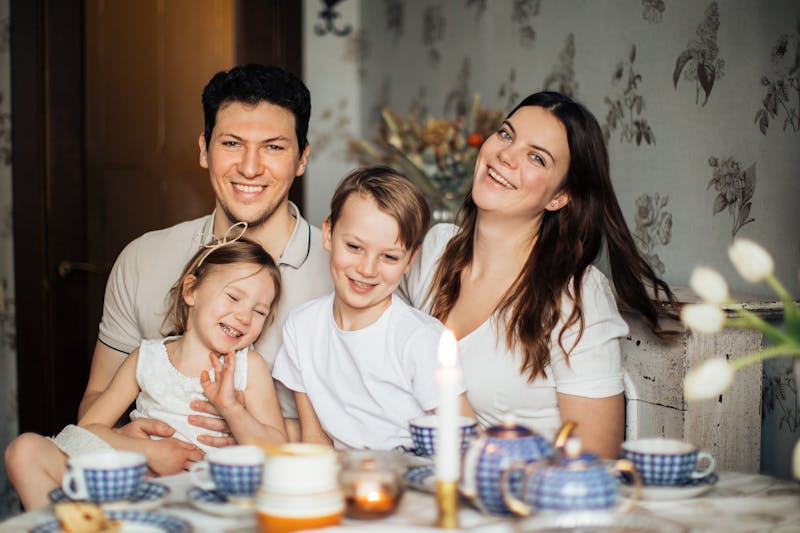
The couple who started this journey with a confusing menu in Bulgaria and turned it into an app for the world.
Ready to Eat Like a Local?
Download DishPassport free and turn any menu in any language into your next favorite meal.